
Ok. It’s finally time to address the elephant in the room. I’m going to tell you straight up front though there’s more to it than you think. So, instead of getting caught in the bubble, we went in and truly looked. For years. We came to many conclusions, but most importantly, we also found some answers. As we tell you what we found, we want you to remember that we spent a lot of time to get where we are on this topic, and so even though we know you have your own set of opinions going in, as everybody does, we’d hope you’d set them aside for just long enough to hear what we have to say before you judge the words I’m going to write. An honest opinion of what we found, what it means, and how we think the sport can, and I only mean CAN, absolutely grow back to the highest level it saw at it’s peak. That said, it won’t be easy. Not by a long shot. The sport has fallen about as low as it can get, at least popularity wise, and that can’t be ignored. But we refuse to see the whole situation the sport of American stock car racing finds itself in as nothing more than a wake up call that it can either ignore, or use to climb to new heights. And the key lies in how it truly sees itself. We went in as fans first to honestly try and help the sport we love, and we found a bigger story to it all. And after this 2026 season, we couldn’t think of a better time to tell it.
The first thing then we do have to address is said elephant. It’s important to address as it could very well be the key to the sports own salvation. But you wouldn’t know it because fans perceptions are thrown under the rug, and that negligence is fostering negativity on a subject that otherwise could be known for what it is, not for what it isn’t. Daddy’s money. The perception that the only way to the top for the sports top talent in today’s era is through deep pockets. For a good number of fans the cancer that’s literally killing the sport. It’s a perception that NASCAR knows is a negative on it’s popularity but ignored it. It has either refused to see the perception festering, or it doesn’t know how to deal with it. And the reason is how it’s seen itself since 2005. So we’re left to find out on our own why. First, let’s address the money issue itself. There is where you’ll find NASCAR’s vision from 2005 forward. The cost of racing has become more than the teams that race can bare themselves. But let’s face it honestly, big money has always been part of the driving dynamic of the sport of American stock car racing. It was founded on moonshine money and let’s not forget or ignore it.
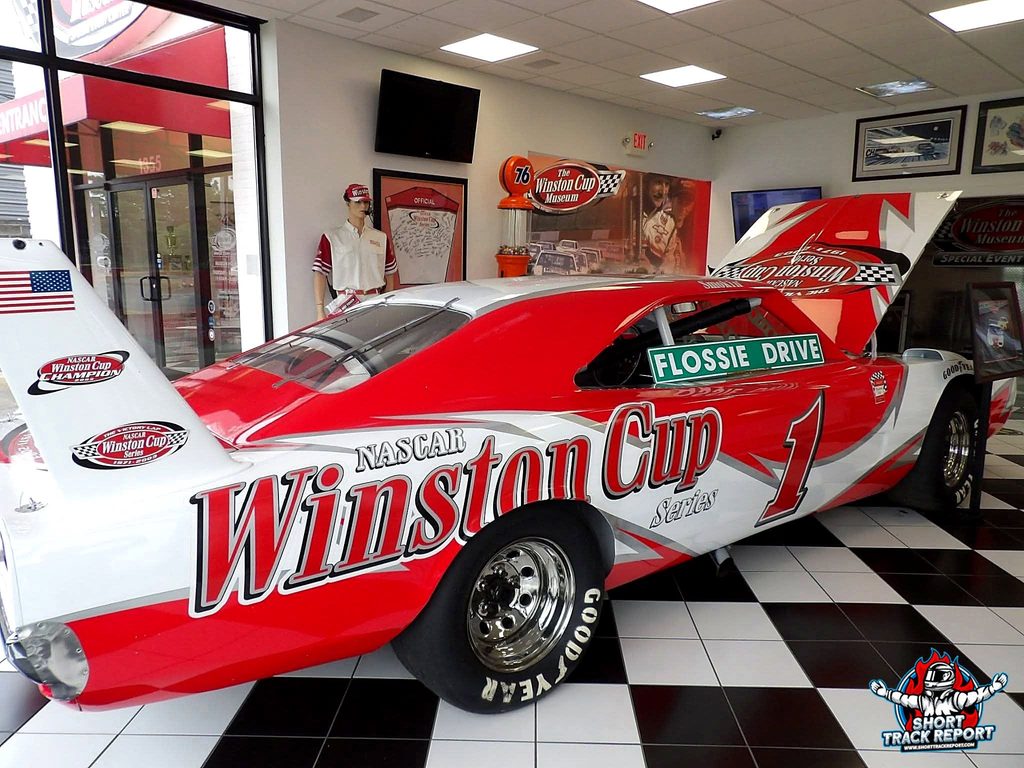
Before superspeedways were introduced, the tracks and teams in the beginning that NASCAR built itself off of were fueled by a different kind of ethanol. After came the manufacturer money, and sponsorship money soon followed. But NOBODY had put money in the sport like RJ Reynolds did when NASCAR introduced Winston as it’s primary sponsor and the sport’s most elite championship became known as the Winston Cup. It’s important to note that that money went into promoting drivers as household names. Promote the driver, it promotes the teams, which promotes NASCAR, leaving the sponsor name on all of it. And this was intentional. RJ Reynolds marketing knew that to grow their product popularity higher, attaching that product to what the fans are truly drawn to was the very best way to do it. And one of the greatest business and marketing campaigns the world had ever seen was born.
What’s important to note here is that the man in charge of RJ Reynolds’ marketing push at it’s highest peak was it’s senior vice president and president of Sports Marketing Enterprises, T. Wayne Robertson. He was a marketing giant faced with the fact that he couldn’t advertise his own product on TV and radio commercials. Instead they marketed the sport of NASCAR itself, and attached their name to it. In the 14 years he marketed the sport through NASCAR, it’s growth exploded. He created the Winston All Star Race, and the Winston Cup Preview but sadly passed in a boating accident in 1998 at the age of 48. But the master of the playbook was however was Ralph Seagraves. After the 1971 TV and radio cigarette advertising ban, NASCAR team owner Junior Johnson pitched him a team sponsorship and sold it so hard that Seagraves saw the bigger picture and sponsored the entire series, creating the NASCAR Winston Cup Series in 1971. Track improvements at over a hundred tracks, media guides, the Winston Million, and a season ending banquet moved to the Waldorf-Astoria were the result. They also gave birth to the Weekly Racing Series, to shore up the foundation of grassroots racing because they knew that foundation was key to sustaining it’s growth. You could say, those two men with their marketing machine was an injection to the very heart of it. Averaging between 30-60 million a year, a regional curiosity became a national phenomenon, with double digit growth through the 1990’s and through it’s peak in the 2000’s. NASCAR’s highest numbers came in 2005 after the exit of the Winston Cup. But by any observational marketing analysis, that high was most likely due to the Winston marketing machine carrying over.
This past year in 2026 was NASCAR’s lowest rating year according to the new numbers, but it’s no surprise to us. We could argue the reasons all day, but we don’t have to. The numbers themselves and NASCAR’s own leadership gives us the answer. From 2004 to 2016, Nextel/Sprint took over sponsorship rights. They put more money into it than ever before at $75 million contracted. They paid $40 million for the rights and $30 million on promotion. At the end of their tenure Monster Energy paid only $20 million a year for two years from 2017 to 2019. Now the Premier Partners – that’s 4 partners: Xfinity, Coca-Cola, Busch Light, and Freeway Insurance, pay $15-20 million each reaching approximately $66 million a year. The result? As I stated earlier 2026 stands as the lowest rated year on record. Why is that? One reason is because a noted shift in their marketing strategy from Winston’s. Both marketed the sport, but in exactly the opposite way, and it was costly. NASCAR shifted the marketing resources to promoting itself and it’s sponsor’s products. In so doing, it took focus off of one key element of it’s product that the fans had put their focus on through the marketing of Seagraves and Robertson. The driver. NASCAR focused on what it built and reversed the focus to promote the organization, and that promotes the sponsor, and that promotes the teams, who then promote the driver. They put their work in marketing the image of the sport and it’s sponsors and lost sight of what gave them value. They started to see what they could be instead of what they were. And the biggest side effects of that was a loss in sight of what truly brought audiences to the sport. It’s undeniable and it shows in their own numbers. And played out in a courtroom in 2025 in a case that will forever change how the sport’s revenue is shared with it’s competitors. And it was a direct result of the marketing strategy and where it took the sport. But there was a bigger consequence.
More proof of NASCAR’s vision shift was in the sponsors own marketing shift as well. Under the Winston marketing strategy, team sponsorships were built off of season long driver identities. Jimmie Johnson meant Lowe’s for nearly two decades, Jeff Gordon meant DuPont, through TV endorsements and in-store promotions. Now a driver can have a dozen different backers in one year with paint schemes changing weekly and consumer brands gave way to B2B sponsors that never market to fans at all. And in the process, the drivers got sanitized. To the point that Jimmie Johnson was portrayed as vanilla because his sponsors wanted him to be. By the 2000’s, driver ads campaigns that made you feel like you knew them were already going away. But a wake up call for NASCAR did come on February 20, 2011. Trevor Bayne at 20 years old wins the Daytona 500 in just his second start driving the Wood Brothers iconic #21. The storyline was too good to be true but NASCAR was unprepared for it. The youngest winning 500 driver for NASCAR’s oldest still competing team. But NASCAR didn’t even have a profile built for him. Their biggest race produced a star and in that moment, they had nothing to promote him with. In 2018 while addressing Kyle Busch’s concerns that NASCAR marketing was focused on “racing itself and pretty pictures around the racing, not the stars.”, Steve Phelps addressed him citing the Trevor Bayne incident. He said “NASCAR was not prepared” because they had never built him up. “We never want to put ourselves in that position again” and they did a “pretty poor job” of promoting drivers. He said, “That job was left to the teams and sponsors while NASCAR was focused on the racing.” And he called it a “miss on our part.” Trevor Bayne never won another NASCAR Cup race and is now a contented TV analyst and coffee shop owner in Knoxville, Tennessee. NASCAR was handed a 20 year old NASCAR winner driving for one of the sports most beloved teams, and the truth is that NASCAR never built him into anything. I contend that despite Phelps admission, NASCAR never learned the lesson. Instead, they turned their attention to something else. And the figures and words lean there as well.
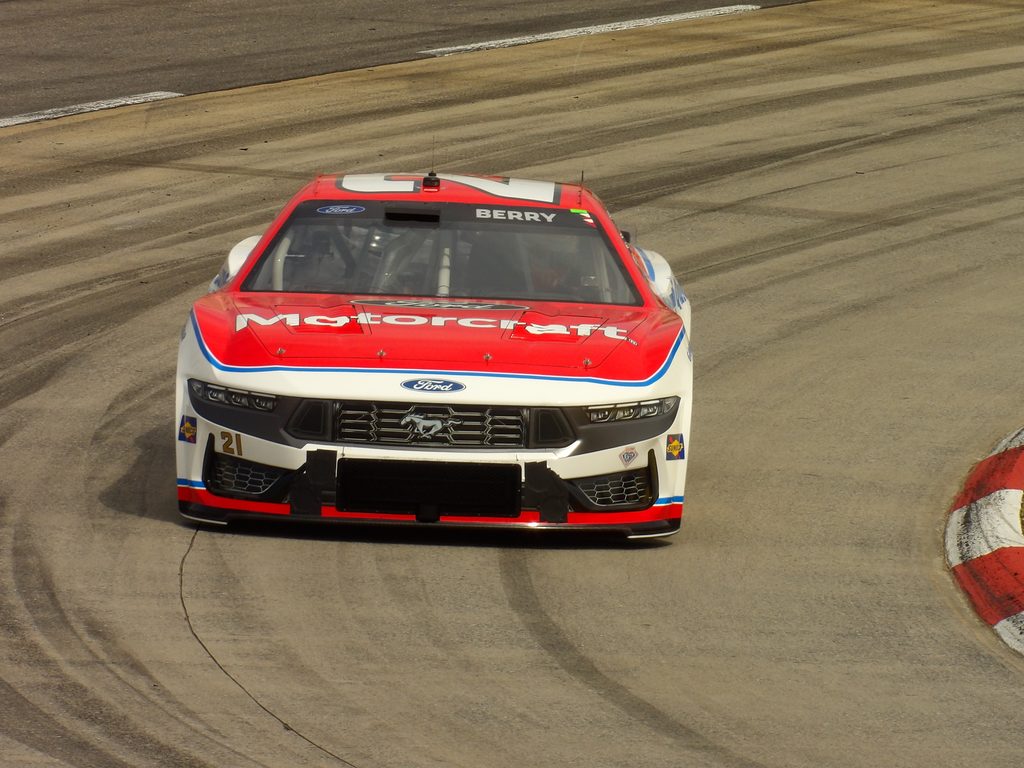
It was revealed that NASCAR began internal discussions about a new car in 2017. There had already been talks about a wholesale replacement for the Cup car for nearly a decade, but commercial sensitivities surrounding the teams business models kept change minimal. But by 2019, a complete revamp of what the sport knew as it’s premier race car was completely reimagined. Early concept work began at NASCAR’s Research & Development Center in Concord, North Carolina. NASCAR, who already had some of the best engineering capability in the country, then developed the car with the help of Italian carmaker Dallara. Yes, the chassis manufacturer for IndyCar. The world’s top spec-chassis company. NASCAR’s stated goals on the design were cost, parity, relevance, and safety, not to build a sports car. But the evidence is in the architecture. Sequential transaxle, flat floor, and diffuser… all sports prototype thinking, with one technical profile calling the Next Gen Camaro “a closer technical relative of the GT3 racer than of the previous generation NASCAR car.” Hendrick’s juiced up version, the Garage 56 car, raced at Le Mans in 2023, and was lapping between GTE Am cars and the LMP2 prototypes. Because when you hire a sports car company to help you design your modern stock car, you get a sports car wearing stock car’s clothes. NASCAR did keep the bones with a pushrod V8 and a steel chassis. But even there, on the NASCAR competition version, the horsepower was stifled.
We see the truth behind the development between the lines. NASCAR was confident they could build a great racing car, and to help with the manufacturer trap, they went to an outside entity they knew had the track record to help them succeed. Interesting since they had the tools they needed already, and in that evaluation, I saw it. The underlying factor. A more “elite” looking car. They took it to Le Mans to show the world and unveiled it with smoke machines and sponsor safe spokespeople. The goals were stated as populist – cut costs, help the little teams, and to bring parity. But let’s look deeper into the underlying message. It was stated at the cars unveil. THE PROMISE – the May 5th, 2021 unveiling was billed as the “Rebirth of stock.” And Steve Phelps opened with, “This car is more relevant and includes more innovation than any other car in NASCAR history. The styling of the car is clear. I mean, they look unbelievable.” Then he pledged, “We really wanted to get back to a promise we made to the fans, which is to put the ‘stock’ back into ‘stock car’. That was something extremely important to our fans.” NASCAR’s own headlines that same week was “Next Gen puts showroom style relevancy back on track”. Also to note, Brandon Thomas who led the project wrote the original brief around a more coupe like look with lines resembling each OEM’s road cars, on 18 inch wheels, that “correlate to sportier street cars.” (Now what a single lug has to do with street cars that I see, well that’s another subject, but I digress)
We fully understand that NASCAR truly felt the need to address the car identity problem it had. But that stemmed from the end of car culture itself, and it overreacted to it. NASCAR’s answer was a car that had visual identity outside, with pure racing architecture underneath. Lower, wider, more coupe like, with more freedom for the OEM’s styling cues. What they delivered however is still trying to prove itself on the track. Parity was delivered with 19 winners in 2022. But the racing promise has not lived up to expectations. Don’t just take our word for it. Steve O’Donnell acknowledged in 2022 they had to improve on the short tracks and road courses, and they’ve been adjusting aero, tires, and horsepower ever since. The diffuser and underbody make the car more aero dependent than ever. Passing is harder where stock cars used to put on a show. A “stock” car that races like a sports car. But, it looks cool. My worry is legitimate. Did NASCAR develop a car they thought would “look cool” to the fans? It had the safety that they used to start the push, and initially the parity, but the performance and cost promises have fallen fall short. Then again, it looks cool.
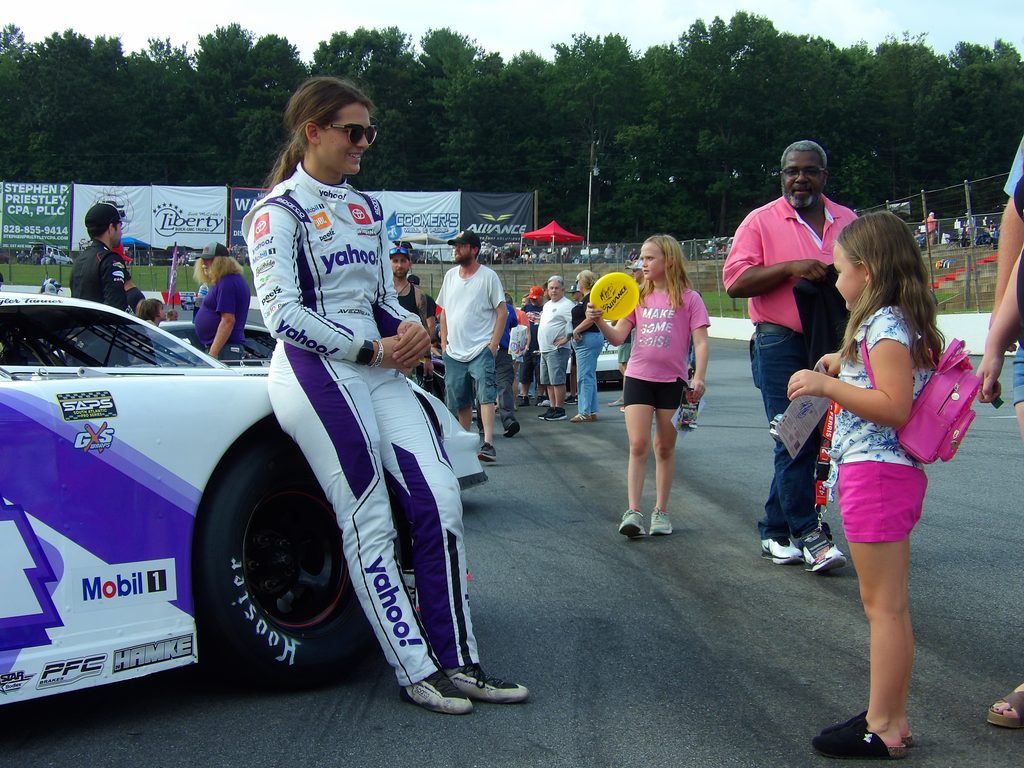
With the loss of stock car identity and a lack of driver promotion from NASCAR, it finds itself now with not just an image problem, but an identity problem. It has also not been able to tackle the cost issue with it’s address to team overspending, and now it’s lost a lawsuit stemming from it’s attempt to control it while it redirected the fans attention to the product, which is not performing to it’s full intention. Under the model NASCAR designed and defended, teams have to generate 60 to 80 percent of their revenue from sponsorships. A Cup car costs roughly $20 million a year. NASCAR payouts cover $11-12 million. A NASCAR commissioned study found that 75% of teams lost money in 2024. Denny Hamlin testified that “all it takes is for one sponsor to go away and all our profit is gone.” And unsealed NASCAR texts show NASCAR leadership knew it. Phelps called the charter draft “zero wins for the teams.” And they kept the model anyway. They knew the mechanism. Sponsorship deals often come with a guarantee that drivers will get behind the wheel in other series. Kelley Earnhardt-Miller said that Cup drivers participating in an O’Reilly Series car “helps bring extra funding to the program” and “we leverage those relationships on the other cars.” Proof that NASCAR knew then that the driver IS the money’s delivery system. They said it out loud. But I’ll put the names Corey Heim and Tristan McKee out there as proof that NASCAR hasn’t truly learned it’s lesson because preparing for these kids to be household names hasn’t happened. The near future will show they definitely should have. But NASCAR doesn’t see it.
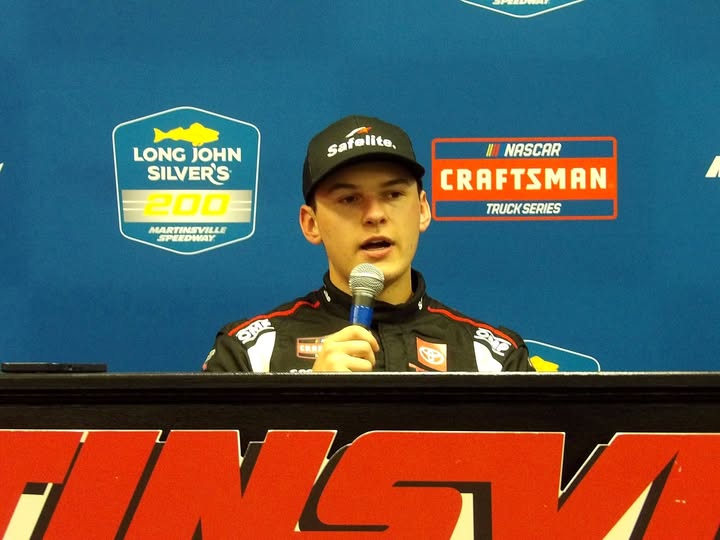
They are smart enough to realize that no working blue collar stock car racing fan wants to hear a rich kid tell them how good they are however. But they’ve rested their entire future on a driver development system that they feel they need to keep prim and proper. Sanitized and vanilla. The result? In September 2026, the SSRS Sports poll, reported by Sports Business Journal, found that 64% of NASCAR fans have no favorite driver. Media insider Jeff Gluck said the figure was absurd when it broke, but the fan pushback is real. Not that the fans don’t care about NASCAR, it’s that they have no driver they feel connected to. This after a year that Corey Heim won 2 Cup races. The first in just his 13th start in the series. A win that had Denny Hamlin “really surprised”. But we weren’t. To the average Cup fan, Heim is an extremely talented kid who came out of nowhere. But he didn’t. The driver development programs are developing absolutely amazing talent. Let’s get this myth that it’s only money that gets you to the top out of the way right off of the bat. To win at the top levels of NASCAR, you do indeed have to be one of the best automobile drivers in the world. Let’s not forget that and keep sweeping it under the rug. The industry has found itself in a bubble and it’s missing what’s right under it’s nose. Why the stagnation in the sport?
We decided to get a closer look because we love the sport. Money had absolutely nothing to do with it. A father and son from the peanut galley that had the fortune to watch what we think could be NASCAR’s greatest stories playing out before our eyes. And we saw that it’s future depends on how it saw it. But how NASCAR saw it led them to push it under the rug in an effort to hide the work that led to their near complete demise. Damage control. But we saw it. The tell of the fall is in that work. The push toward product marketing instead of the personnel that makes it all tick. The focus on the sport itself and the people that promoted it instead of the people that made it great from the very beginning. And now, unbeknownst to them at the time, in the middle of trying to “look cool”, they instead revealed it to me. They were already cool. So they were trying to look cool for a different audience. A different fan. The audience they thought they needed going forward to sustain them. And in the process, they lost the audience they had. But it’s worse than that. They also lost their identity and their own directional marketing push got them there. As someone that knows a thing or two about marketing, I’ve learned one absolute truth. An organization that hides the truth of itself is ashamed of it, and that allows negativity to foster. I didn’t come up with the term daddy’s money. That came from that peanut gallery, as you call it. That came from the fan.
Ralph Seagraves and T. Wayne Roberston knew the way to success was through the heart of the fan and they understood where the fans focus was purest. On the drivers risking their lives in a quest to be the best. And Steve Phelps thought the way to the fans heart was through an extremely polished event put on by an extremely polished organization, and the fans got tired of the cheap champagne.
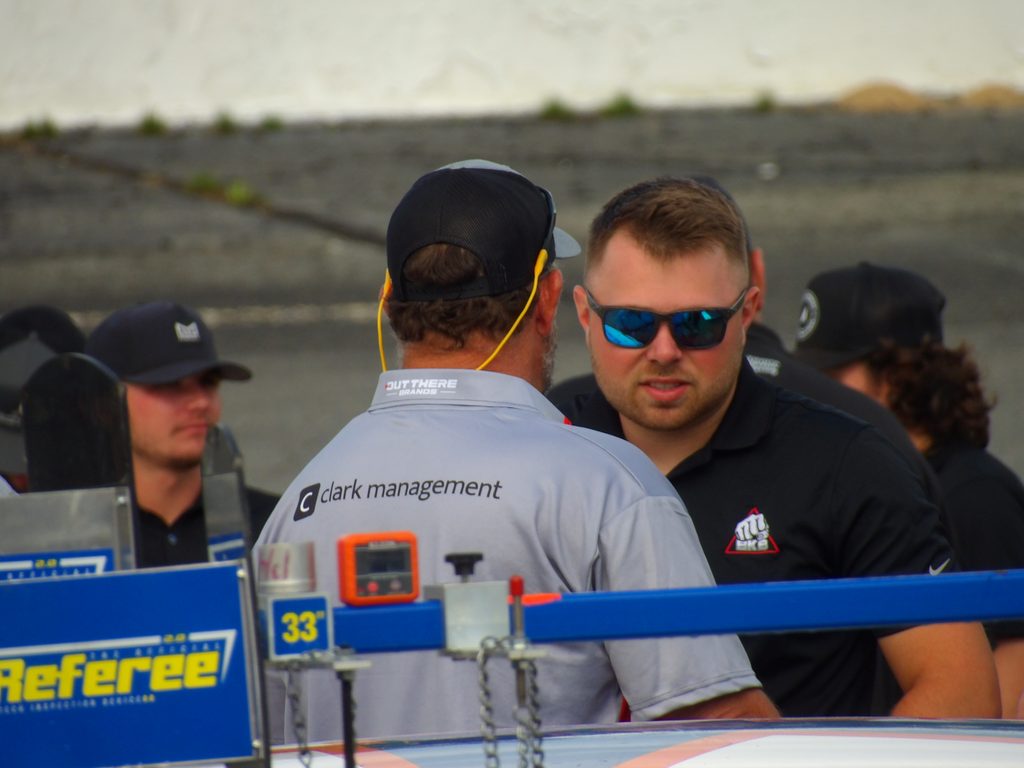
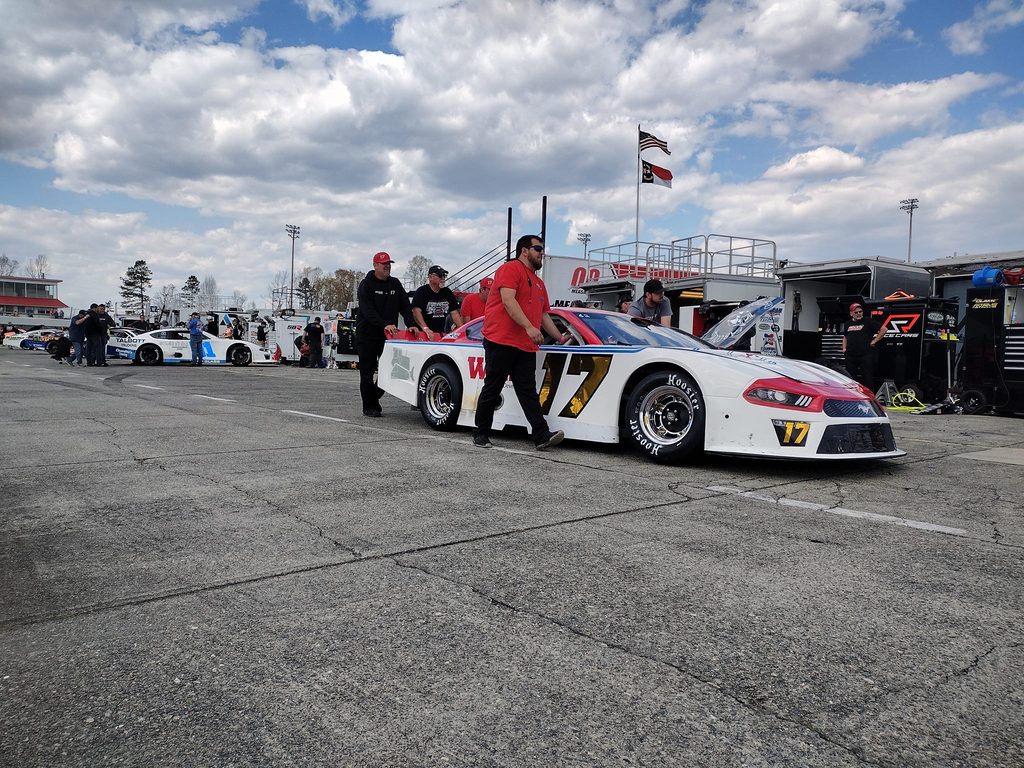
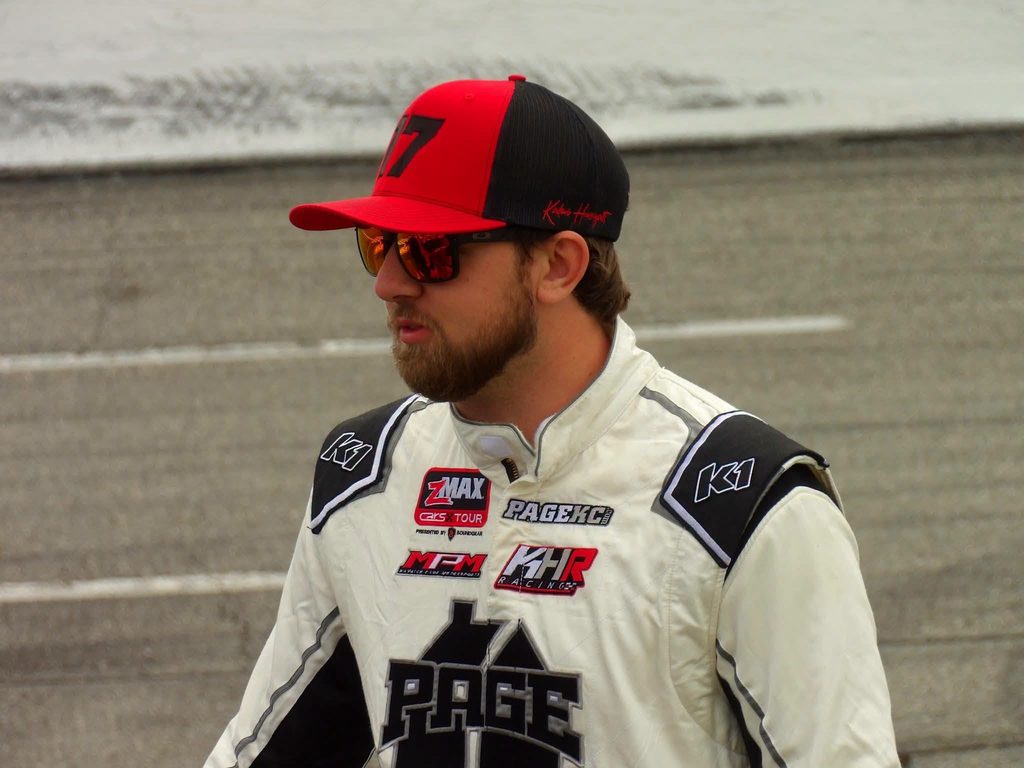
One thing I know the historians got wrong about the Roman Coliseum was that I don’t think the fans were mainly there to see the blood. They were there to cheer on the combatants that could rise above the carnage. They became their heroes. Their champions. They became invested. They came for the gladiators. If NASCAR is to rebuild to it’s former glory, it has to remember what built it. Fortunately, there’s hope from the voices that are currently maneuvering themselves in control of molding NASCAR’s future stars. No one can doubt anymore after the CARS Tour’s recent acquisitions that it now sits in a premier spot in the oversight of the sports development. And with the ownership group consisting of 3 NASCAR Hall Of Famers and a NASCAR car owner that depends on that youth development, they have an enormous voice. And they’ve got all the tools they need. How will they use those tools? The bubble of being an insider can be blinding sometimes. Kevin Harvick called out young drivers for not promoting themselves, saying on his Happy Hour podcast “you want us to help you, but help us help you”. It was in the context of his Happy Hour focus in May on the premise that drivers don’t understand “the showmanship piece of it and engaging with people to sell yourself.” He was right. But he’s also looking at it through the sports marketing era after Winston, and the rose colored glasses of being a NASCAR Hall Of Famer. The drivers had to learn that lesson he was teaching. But at the same time, he has to remember how hard it is to manage your image, especially as a young maturing driver. I know he remembers because in contradiction to what he is telling the youth of the sport, he also gave Carson Hocevar on a different Happy Hour podcast episode the advice to “Turn your social media off. Turn the rest of the nonsense off. Don’t worry about what you say in an interview…”. So let’s be real. The challenge is real. But if those big voices and NASCAR wake up and find their T. Wayne Robertson and/or Ralph Seagraves, they’ll finally see and remember what they’ve been missing. And then and only then can they begin to put their focus on where it needs to be. When or if they do, the fans will notice. And they’ll regain their heart.
The new driver development system is doing what it’s intended, but it also has it’s complexity, But we think it’s important the fans start to understand it. Part 2 will be titled The Good, The Bad, And The Ugly and will begin to take a much deeper dive into the whole system, with the final article, -to be named later- focusing on alternatives and conclusions. Because again, from what I see honestly, NASCAR’s sitting on gold waiting for the right person to recognize the purity in it. That said, it won’t be like the old days. It can however be an amazing mirror of it. See You At The Track!
In short, and the long article above supports every word I say here, Steve Phelps took the exact opposite business and marketing plan than Ralph Seagraves and T. Wayne Robertson had proved to be one of the greatest of all time. The only plan worse than what Steve Phelps did for NASCAR was the CART/IRL split in 1996 that left American open wheel racing a niche overnight. And now NASCAR is on the verge of becoming the same thing. Unless they remember why Seagraves and Robertson’s plan sparked one of the greatest rises in sports history, they’ll never get back to the level they once achieved.
Turns out though, the charter system did leave them with one outcome that leaves them with the answer that can achieve it to a point that NASCAR can show that it is the greatest show on earth. Right now that answer is hidden to the point that the fan and the sport itself can’t see it. All that’s visible is the money before it and behind it. NASCAR just sees it as a tool. The fans without knowing the truth have given me two words for it, daddy’s money. It comes from the perception that the only way to the top in NASCAR for a driver is his father’s money. I’ve heard the term inside and outside of the garage. And it’s hiding the answer. The new driver development system is indeed growing amazing fruit.
It’s time to tell that story. Because like it or not, in the end, money can buy race craft, really good race craft, but it can only help reveal true talent. You can’t buy true talent. And when NASCAR, and the middle men who are positioning themselves to be the gate keepers of that talent realize it is where their focus should be, then the regrowth begins. The truth is that the talent coming from the driver development programs (Corey Heim, Tristan McKee, etc.) and the people smart enough to use the system to highlight their own talents (Layne Riggs, Kaden Honeycutt, etc.), is producing the greatest generation of talent the sport has ever seen. But what they will get when they get to the top is a car they can’t race with to the point of showcasing that talent fully, and a fan that just sees them as daddy’s money.
It’s time for American stock car racing to put it’s focus back to where it’s heart is. The heart that started it’s beating to begin with. I think historians and Steve Phelps got it wrong and NASCAR needs to understand this. The fans of the old coliseum didn’t really come for the blood, they came for the champions that rose above it.

179 Post in our HUB Storage

 Billy Weatherman
Leave a Reply